
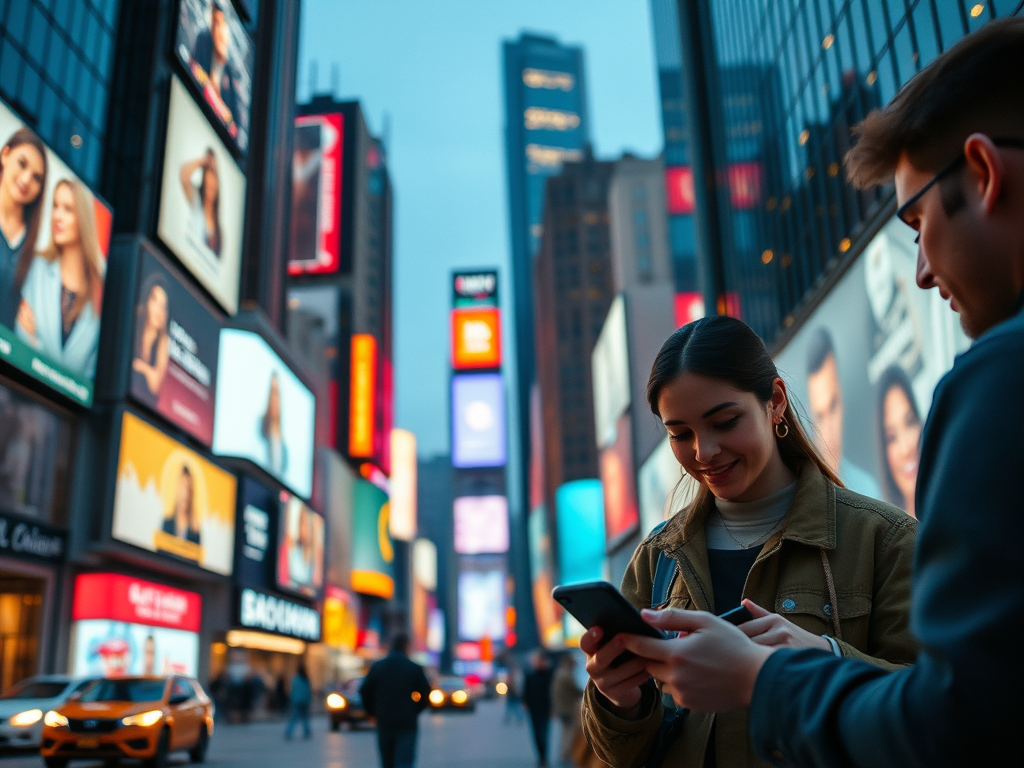
Businesses are constantly seeking innovative ways to reach their target audience. One such method that has gained traction is geofencing. But what exactly is geofencing, and why is it important in digital marketing? Let’s delve into its definition, types, and significance in the marketing realm.
What is Geofencing?
Geofencing is a location-based service that creates a virtual perimeter around a specific geographical area. When a mobile device enters or exits this predefined zone, it triggers a response, such as a notification, ad, or alert. This technology utilizes GPS, RFID, Wi-Fi, or cellular data to detect user locations, making it an effective tool for businesses to engage customers in real-time.
Why is Geofencing Important in Digital Marketing?
- Targeted Advertising: Geofencing allows businesses to send tailored messages to potential customers based on their location. This means more relevant ads and higher chances of conversion.
- Increased Engagement: By sending notifications when customers are near your business, you can encourage foot traffic and boost sales. For example, Starbucks effectively uses geofencing to send special offers to customers who are nearby.
- Enhanced Customer Experience: Personalized marketing efforts, such as location-specific promotions, can improve customer satisfaction and loyalty. For instance, retail chains like Target utilize geofencing to provide shoppers with tailored promotions based on their location within the store.
- Data Insights: Geofencing provides valuable data on customer behavior, preferences, and traffic patterns, helping businesses refine their marketing strategies.
Types of Geofencing
Understanding the different types of geofencing can help businesses choose the right approach for their marketing campaigns:
- Static Geofencing: This involves creating fixed boundaries around a specific location, such as a store or event venue. When users enter or exit these areas, they receive notifications or offers.
- Dynamic Geofencing: Unlike static geofencing, dynamic geofencing adjusts boundaries based on real-time data. This type can respond to user behavior, such as frequent visits to a certain area.
- Geofencing for Events: This approach is particularly useful for events or festivals. Attendees can receive updates, schedules, and promotions while they navigate the event space.
Companies like McDonald’s, Target, and other major retailers have effectively used geofencing to send targeted promotions to customers when they enter a specific area, resulting in increased sales during peak times.
Potential Challenges of Geofencing
While geofencing offers significant benefits, businesses may face challenges, including:
- Privacy Concerns: Users may be wary of sharing their location. It’s essential to be transparent about data usage and obtain consent.
- Technical Limitations: Inconsistent GPS accuracy can lead to missed opportunities. Ensure that your geofencing technology is reliable and well-integrated.
- Over-Saturation: Sending too many notifications can lead to customer annoyance. It’s vital to strike the right balance in messaging frequency.
Overcoming Challenges: Businesses can address these issues by ensuring robust data security practices and refining their messaging strategies based on customer feedback.
Best Practices for Implementing Geofencing in Digital Marketing
- Define Your Audience: Understand who your target customers are and where they frequent.
- Craft Relevant Messages: Ensure your notifications are timely and valuable to increase engagement.
- Leverage Data: Use insights from your geofencing campaigns to continually refine your approach.
- Test and Optimize: Continuously analyze the effectiveness of your geofencing campaigns and make necessary adjustments.
- Engage Customers: Invite users to provide feedback on their experiences with geofencing to foster a sense of community.
For more insights about the benefits of geofencing to enhance your digital marketing strategy, check out this guide.
Conclusion
Geofencing is an innovative tool that can significantly enhance your digital marketing efforts. By targeting customers based on their real-time location, businesses can create personalized experiences that drive engagement and sales. As you explore this powerful technology, consider the various types of geofencing to determine which best suits your marketing goals. Learn more about other strategies through our blog.
We’d love to hear from you! Have you implemented geofencing in your marketing strategy? What challenges or successes have you experienced? Share your thoughts in the comments below!
Leave a Reply